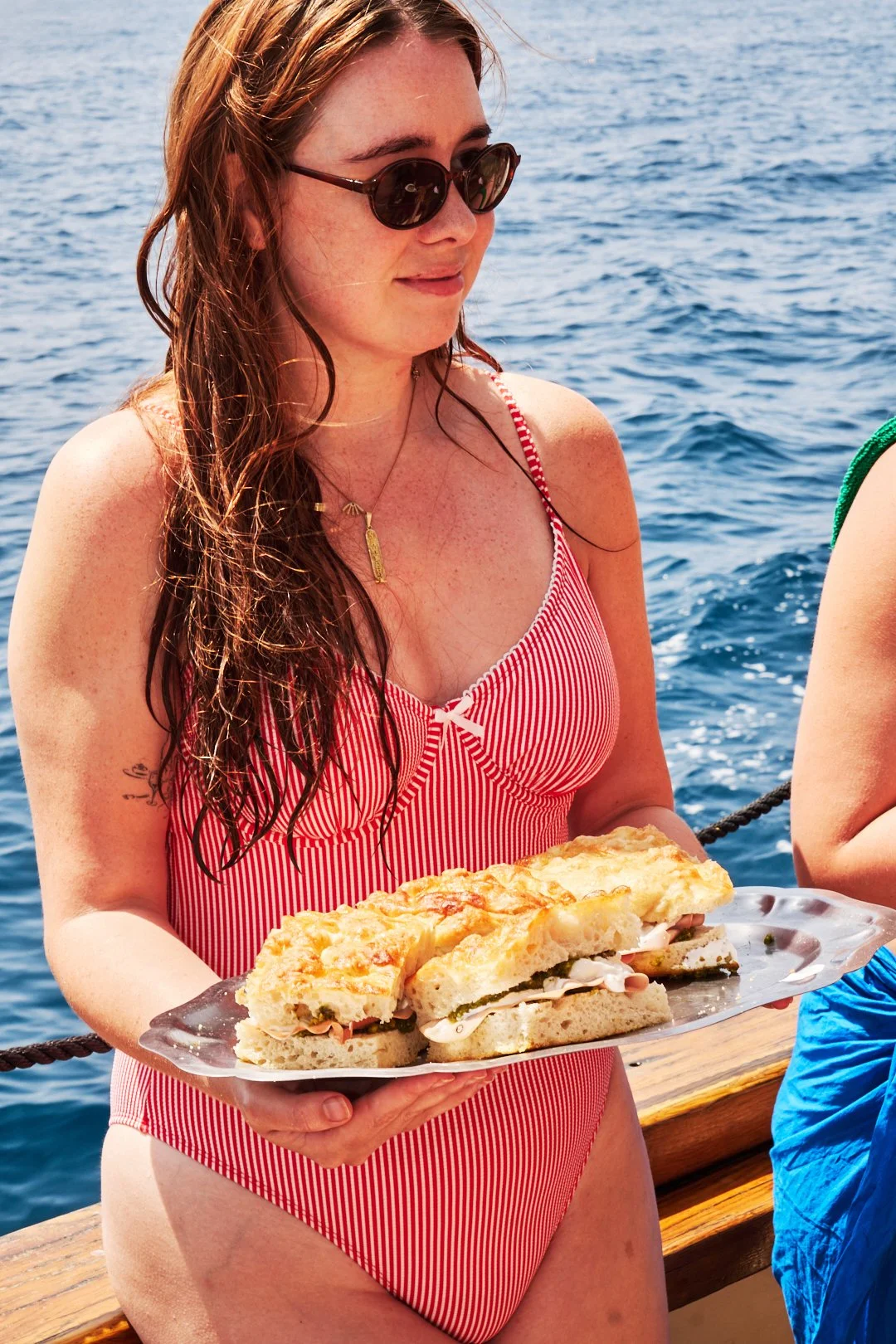
Is this the best sandwich in the world? Mortadella, burrata & pistachio pesto schiacciata
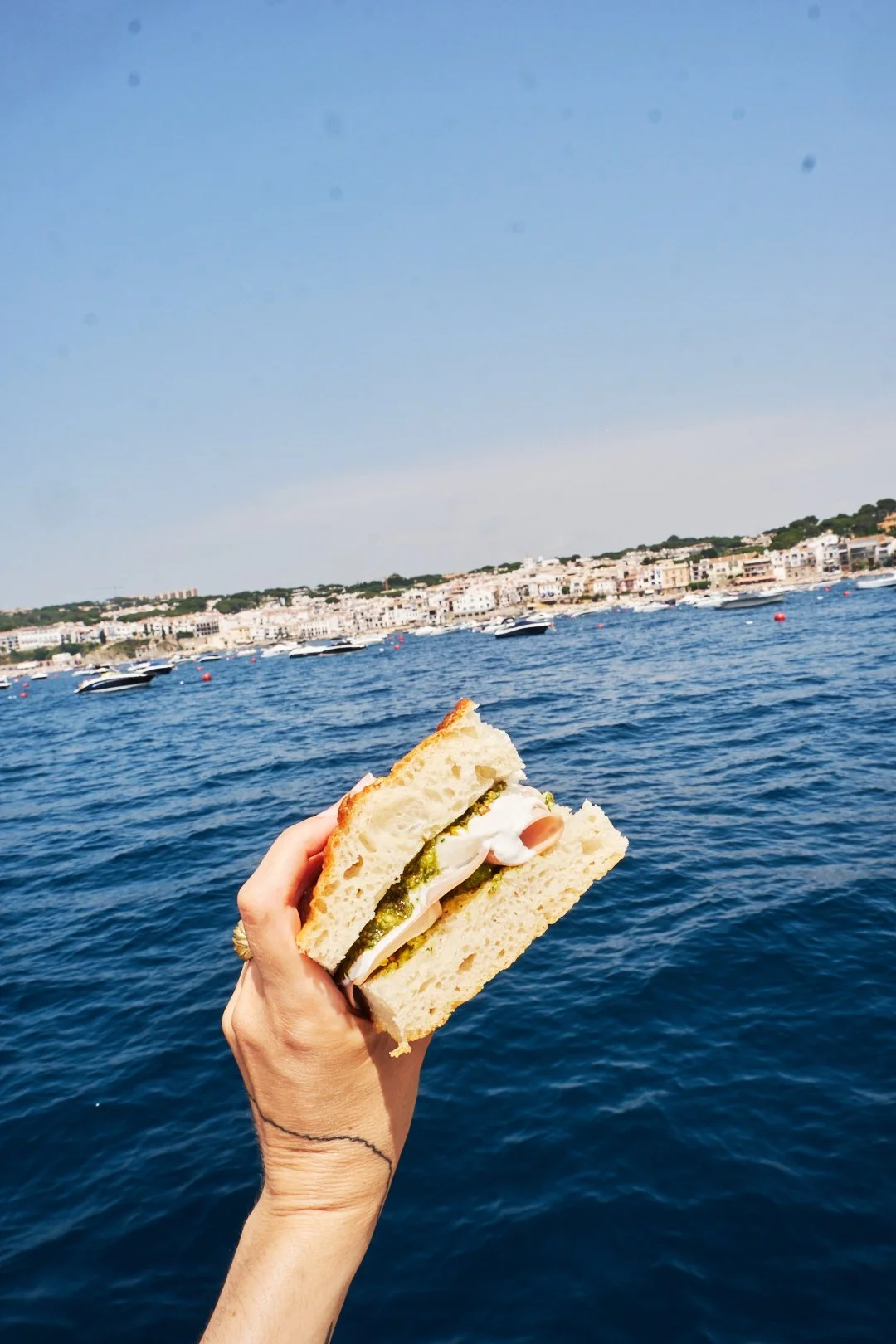
Best in the world? A big statement. Happy to be proven wrong. Please. Thank you.
There's a sandwich shop in Florence with a queue that never seems to end, day or night, rain or shine. All'Antico Vinaio has been slicing schiacciata and stuffing it with Italy's best cured meats and cheeses since 1991, and one sandwich in particular “La Paradiso” has earned itself something of a cult following. Mortadella, burrata, and pistachio pesto, squeezed between two laters of warm, olive-oil-soaked flatbread.
What makes it work is contrast: the silky, delicately spiced mortadella against a cool, creamy burrata; the nutty, herbaceous punch of pistachio pesto cutting through both; all of it held together by bread that's crisp on the outside and pillowy soft within. It's the kind of sandwich that makes you stop mid-bite and just think about it for a second.
The traditional is made in a Tuscan bread named schiacciata, which literally means squashed. This is very very similar to a focaccia, but with a slightly higher hydration, and a denser crumb with less bubbles than a focaccia. The dough is “squashed” into the baking tray. Arguably better for a sandwich as you are less likely to have olive oil dribble onto your trousers. It is unlikely that you will be able to find a schiacciata unless you a) live in Tuscany, or b) follow the schiacciata recipe below, so feel free to sub for focaccia if you’re buying the bread. No-one will notice or be upset, unless they are fully carded up cult members of All'Antico Vinaio.
Ingredients (To make 1 sandwich)
10×15cm rectangle Schiacciata (see our recipe below) bread, or focaccia
2 slices Mortadella
2/3 ball Burrata
60g Pistachio pesto (see our recipe below)
Preheat the oven to 200C/180C fan. The sandwich should be served warm but not hot. In a sandwich shop they will traditionally be given 30 seconds in a panini sandwich press, which you can do if you happen to have one. Otherwise an oven will suffice, and try to bring your ingredients up to room temperature before you use them. Cold cheese can ruin the sandwich.
Slice your bread through the centre and lay it down, cut sides up.
Dollop your pistachio pesto on each half, and then spread it around with the back of your spoon, making sure that the bread is well coated in the good stuff.
Open your burrata, and break it onto the bottom half of the sandwich. Make sure that there is a mixture of both the thicker mozzarella like curds and the creamier centre all around.
Rusticly place your two slices of mortadella over the top, don’t make it too neat, that would be missing the point.
Place the top over the bottom.
I can’t believe I have just explained how to make a sandwich, but then again this isn’t any old sandwich.

Difficult, but more delicious, if made on a boat.
Homemade Pistachio Pesto
This isn’t a traditional pesto alla Genovese. There’s no pine nuts, no heap of garlic, and no attempt to be faithful to Ligurian nonnas. This is about texture, salt, green freshness, and perfume, almost a kind of green butter, designed to melt into the soft crumb of a focaccia and hold hands with your mortadella and mozzarella in one of the world’s finest sandwiches.
There’s no need for anything fancy here. A food processor is helpful, but if you have a pestle and mortar and a little patience, it will reward you with an even more aromatic paste. Either way, the key is to keep it textured. This is a condiment with personality, not a green smoothie.
Ingredients (Makes 240g, enough for 4 sandwiches)
100g Pistachios, shelled and unsalted
30g Parmesan or Pecorino, finely grated
1 Garlic clove
12g Fresh basil leaves (roughly a loose handful)
½ Lemon, zested
100ml Extra virgin olive oil
Salt and freshly cracked pepper, to taste
Start by giving the pistachios a quick toast in a dry pan over a medium heat—just until they start to smell like warm popcorn, this helps refresh them and to give them a toasty aroma. Leave them to cool before continuing.
Place the pistachios, grated cheese, pureed garlic, basil, and lemon zest into a food processor (or smash it up in a pestle and mortar if you are feeling braver). Pulse a few times until the mixture looks rough and crumbly, like damp sand. At this stage, it’s important not to over-blitz: we’re building flavour and mouthfeel here, not baby food.
Now drizzle in the olive oil and give another quick pulse. Add lemon juice, salt, and pepper, and blend briefly to combine. Taste it. The lemon should lift, the garlic should tickle, and the pistachio should sing.
N.B. You can store this pesto in a jar with a slick of olive oil on top for up to a week, but it’s at its best within the first couple of days: bright, punchy, and full of aroma.

No Knead Overnight Schiacciata
I like this recipe, because it requires minimal effort, for maximum result. This one requires less than 15 minutes of your time, an easy bread that can really help people that don’t think that they are bakers to improve their confidence.
For me, the secret to tasty bread is working at high hydrations to give you soft fluffy bread and a crunchy crust. The second secret is in giving the water time to work on the flour on its own, allowing the gluten to align and bond.
Schiacciata is cooked in a baking tray so you don’t need any fancy equipment, there’s no complicated shaping or scoring, it just needs dimpling with a selection of your fingers.
Ingredients (Makes 30 x 20cm loaf, which makes 4 sandwiches, or serves 8 as a bread course at the beginning of a meal)
250g Strong white bread flour
250g Tipo 00 Flour
445g Warm water (mix 145g boiled water, with 300g ambient water) 89% hydration
8g Instant Dried Yeast
1 tsp Fine sea salt (6g)
5 tbsp Extra virgin olive oil
1 tbsp Coarse semolina, for dusting the baking dish (optional)
1 tsp Flaky sea salt (Maldons is my favourite)
Mix the flours together with the yeast in a mixing bowl using a dry whisk to distribute evenly. Mix 1 tbsp olive oil and the salt into the warm water then mix the wet with the dry. Mix well using a dough scraper or a spatula until the dough comes together and there are no dry bits.
Rub the top of the dough with 1 tbsp extra virgin olive oil, cover with a damp tea towel, or loose cling film, transfer to the fridge and leave to rest for at least 12 hours, or up to 24. The longer you leave it, the more airy and sour the dough will become. For the purpose of this bread we don’t want too many big bubbles, so don’t overdo it.
Take a 30cm x 20cm baking tray. Put 1 tbsp olive oil into the bottom and rub it around. Sprinkle the coarse semolina over the top.
Now take your dough from the fridge. Take the top lip of the dough and fold it up and over, tucking it over the top. Turn the dough 90 degrees and repeat the process. Continue the process with all four sides. This builds surface tension in the dough.
Flip the dough over, so that the seams are on the bottom. You now have a clear top, and bottom, of the dough. Put the dough into the baking tray, and rub another 1 tbsp olive oil on top of the dough, and just leave it to rest for half an hour in a warm place. The dough will relax and spread out to the edges of the pan.
Schiacciata means squashed, so oil your fingers and squash the dough outwards so that it fills your baking tray evenly.
Heat the oven to 220C/200C fan/425F.
Pour over another (generous!) tablespoon of extra virgin olive oil, and make sure that you get some on your fingers. Then use your fingers to push dimples into the dough, to give the schiacciata its characteristic shape. Leave the bread to rise for another 10 minutes. Sprinkle some flaky sea salt over the top and put it in the oven to bake for 25 - 30 minutes.
Leave to rest for at least 30 minutes before cutting and serving.
N.B. If you would like to make this bread tonight, rather than tomorrow, then knead or work the mixture for 5 minutes. Leave it to rise for 1.5 hours in a warm place. Shape it into your baking tray for a second rise of 30 minutes, before dimpling, resting for another 10 minutes, and baking.