Our guide to Cadaques
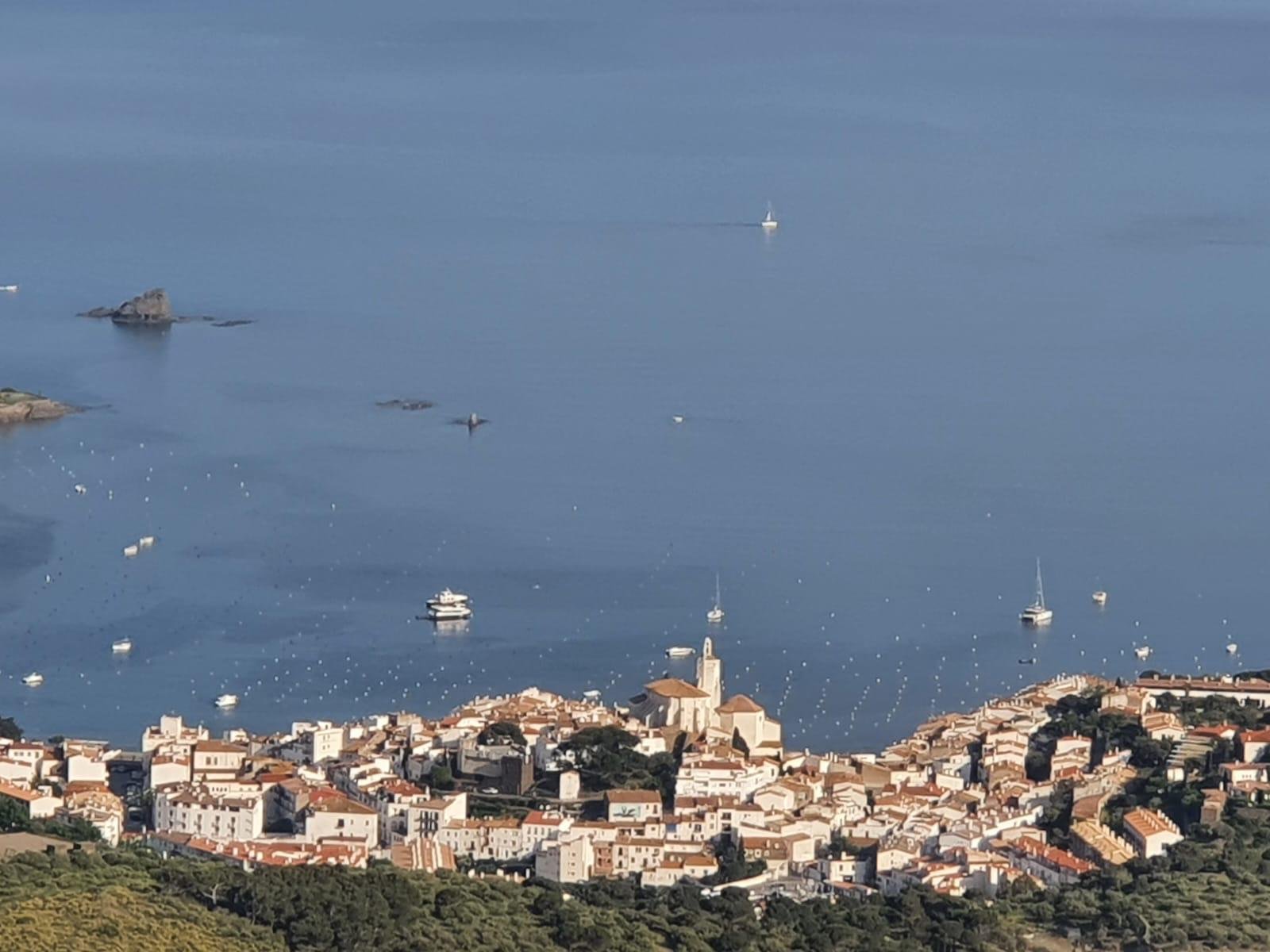
Cadaques is our special place. We were married there in 2022, Suki’s parents met there in the 1980s, and her grandmother has been partying there since the 1950s. There is a magic to the silky rustic elegant glamour of the village, and to the quality of the gastronomic offerings of the bars and restaurants one can find there. There is also a silky glamour to the people, best observed by drinking a vermouth whilst sitting against the bench windows of Casino, the cooperatively run bar and art gallery that is the heart of life for Cadaquesencs and migrating life alike. However, do not forget to dive a little deeper, as the real magic is in the surrounding wild and rugged nature of the Cap de Creus national park, and the way that the light plays with your eyes with a long soft golden glow and the reflections that come from the sea.
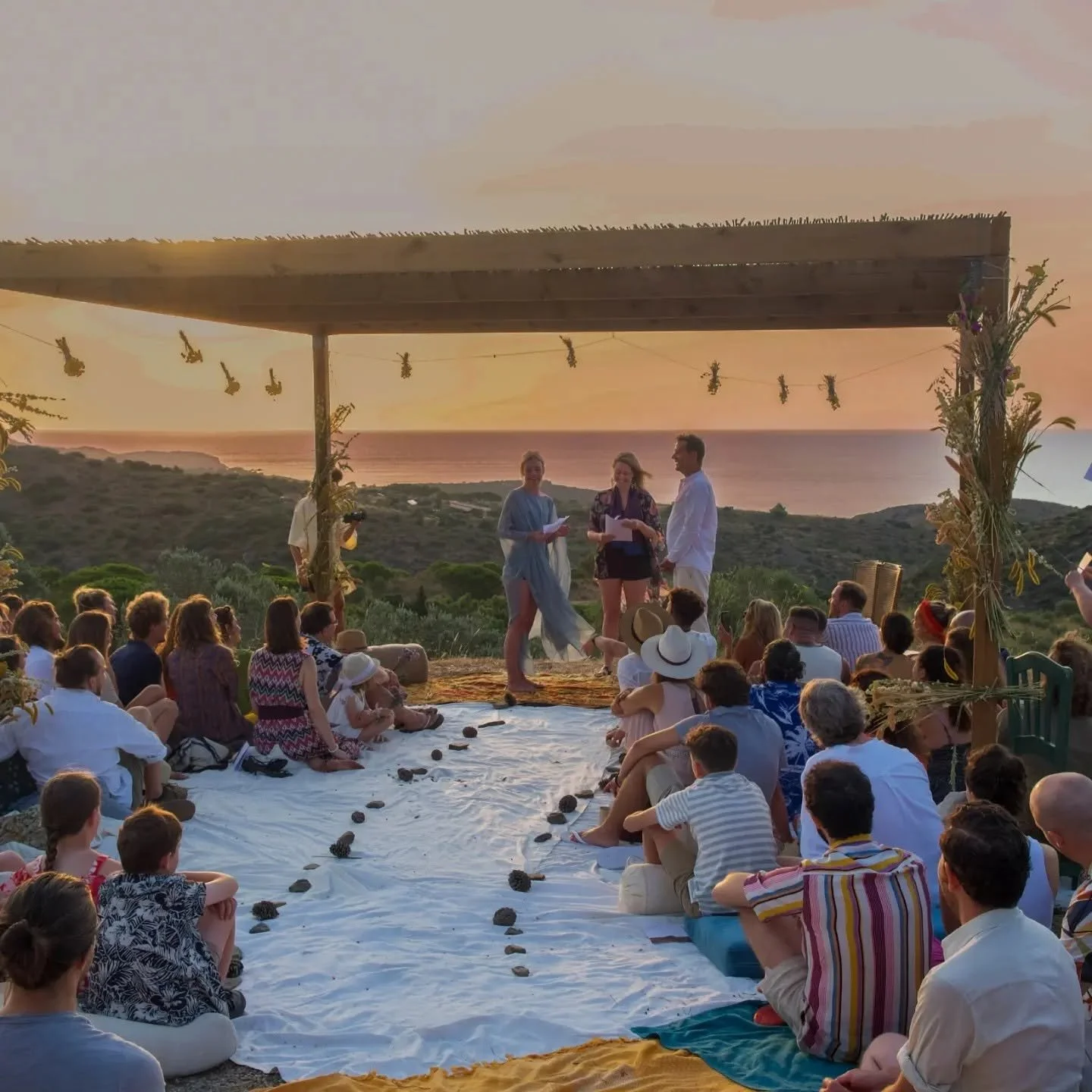
This is the MFJ guide to Cadaques which includes a lot of our favourite dishes and places to eat, and a few of our favourite things to do. In a town this popular there is plenty of disappointing paella to be avoided with barge poles, but the restaurant scene is very very good, and there are a few highlights well worth booking in advance.
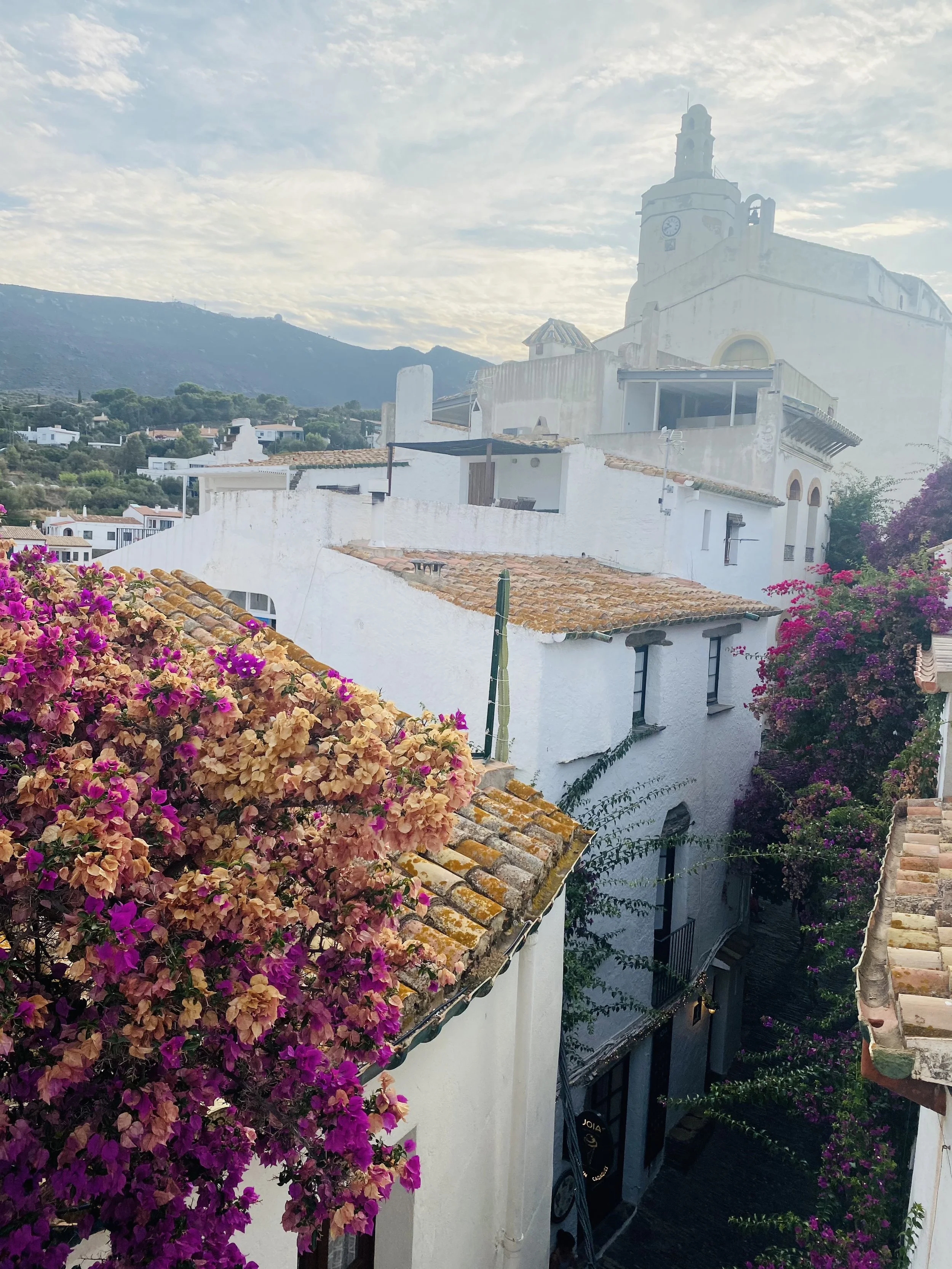
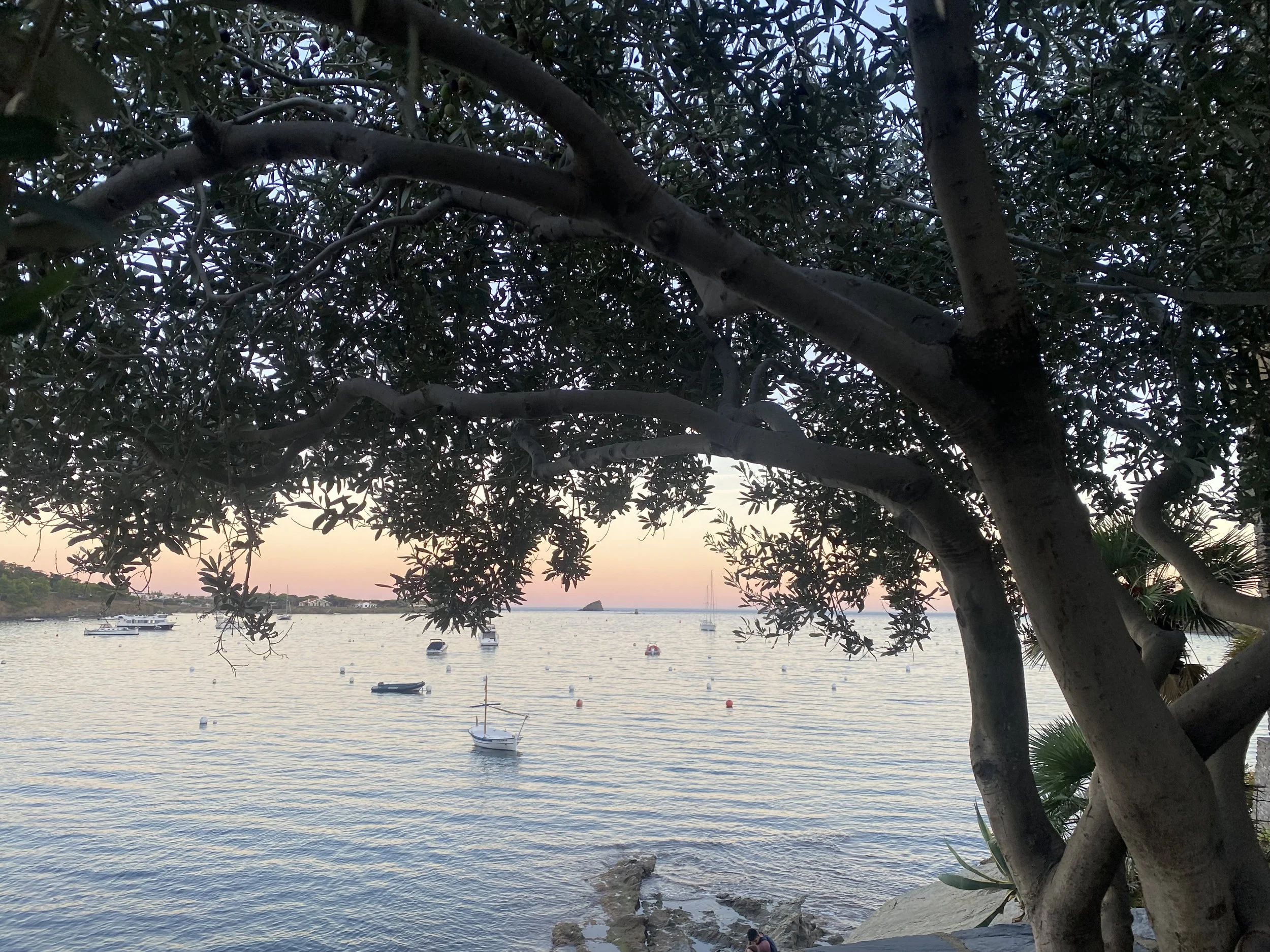
Why is Cadaques so beautiful? It is one of few Spanish coastal towns that avoided mass touristic gentrification in the late Franco years. It is a little bit of a trek from buzzing Barcelona, but that also helped to protect and preserve the romance, as did the winding Italian Job of a road that goes through the mountainous rock at the end of the Pyrenees and is the only route into town. The village sits in the middle of a natural park, development is very strict, and the unique flora and fauna that exist due to the combination of rock, salt, the tramuntana winds and the Mediterranean sun, are heavily protected. The sea is incredibly clean, and exceptionally clear due to the rocky sea floor.
None other than Salvador Dali fell in love with the village due to the combination of thelight, and the dramatic landscapes which he called “a geological delirium”. Walks in the national park uncover some of the natural sculptures that provided the muses for some of his most famous works, a lifelong source of inspiration where he saw rocks not just as stones, but as sleeping giants, faces, or animals. Dali attracted a sea of other artists to live around and amongst him from his youth in the 20s, through to the 1980s, from Lorca, to Picasso to Warhol. The village continues to attract artists, musicians, poets, photographers and writers, and there is a surrealistic creativity in the salty air, and in the conversations that take place in the bars and on beaches.
WHERE TO EAT
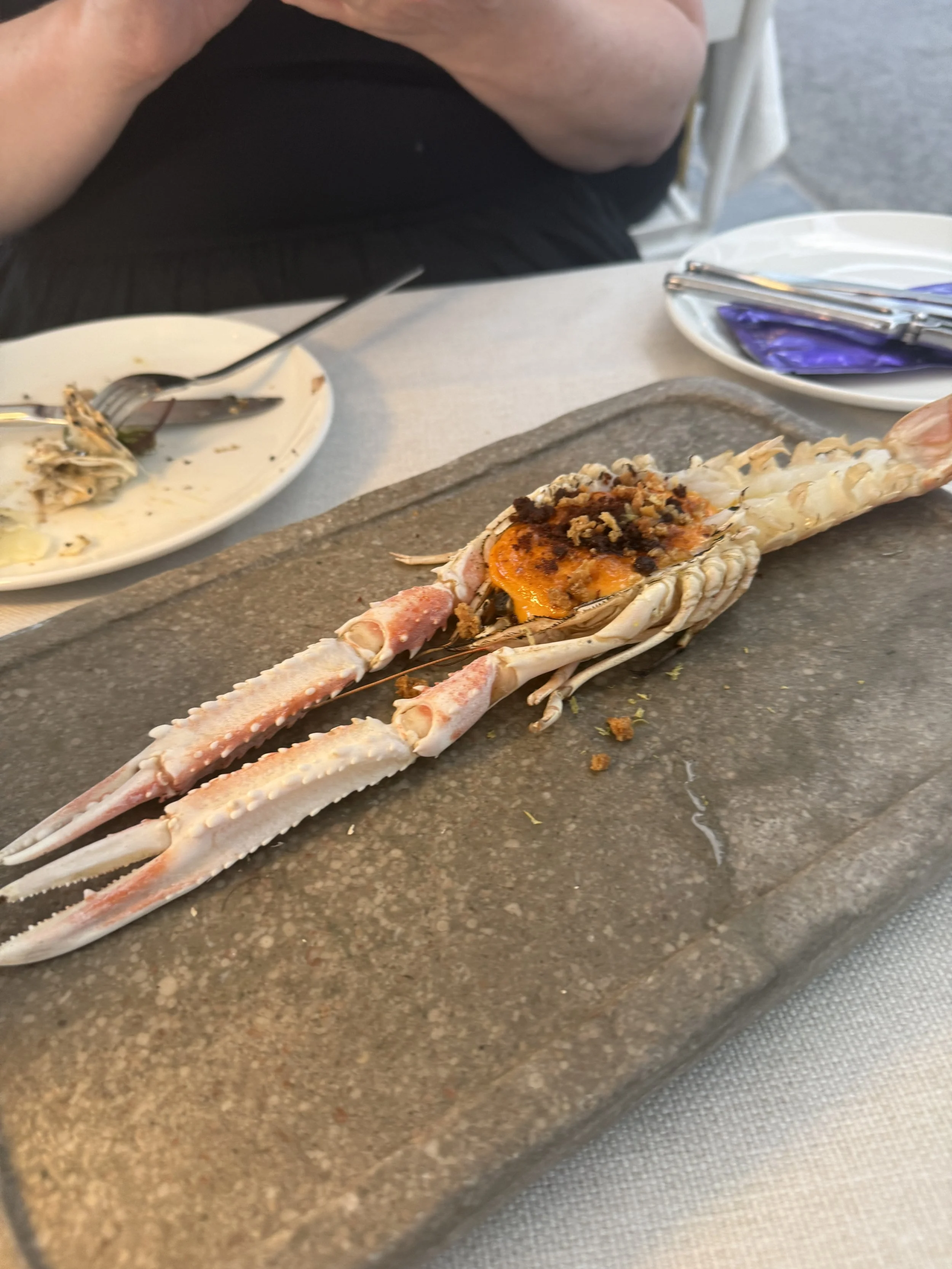
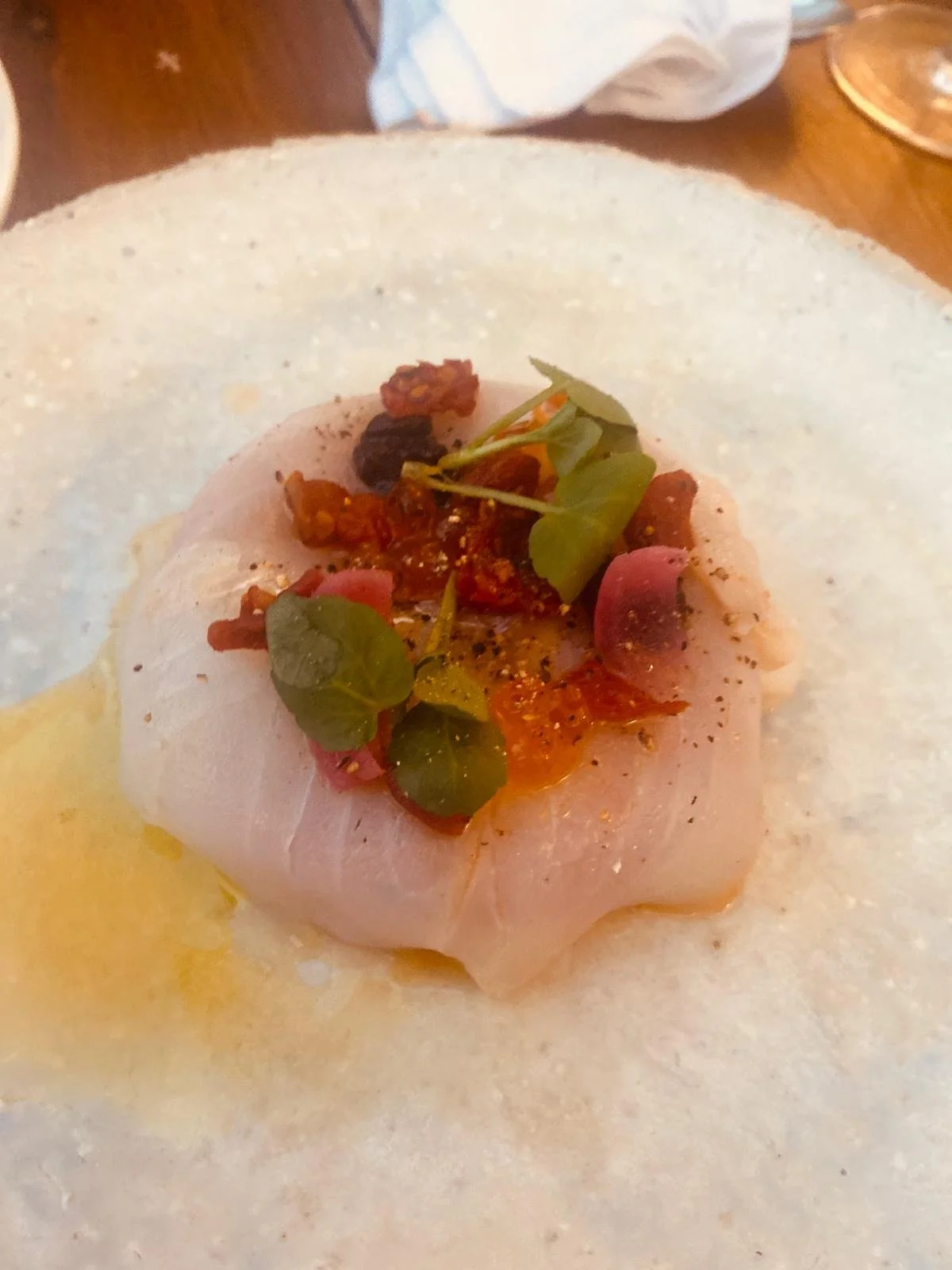
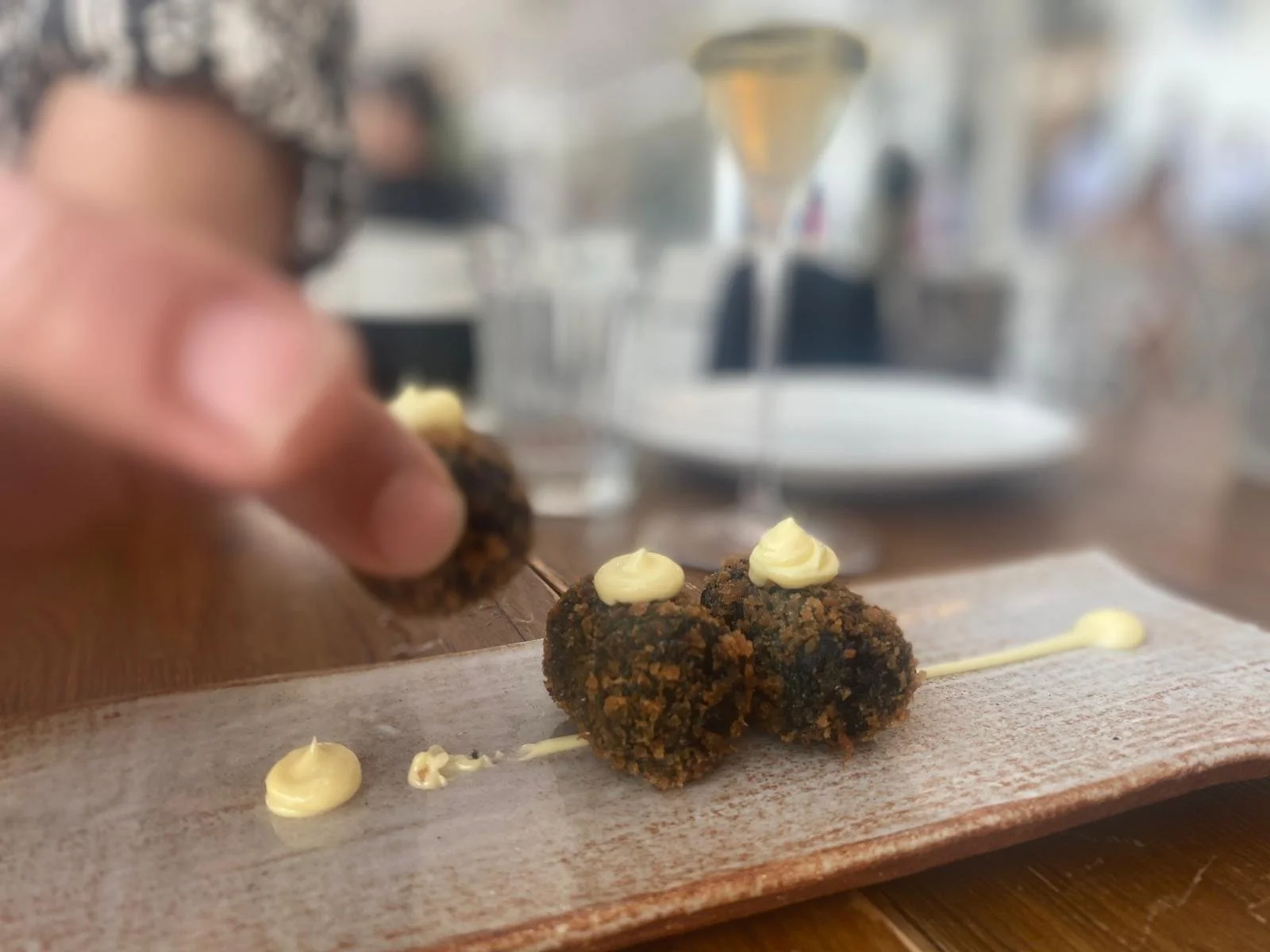
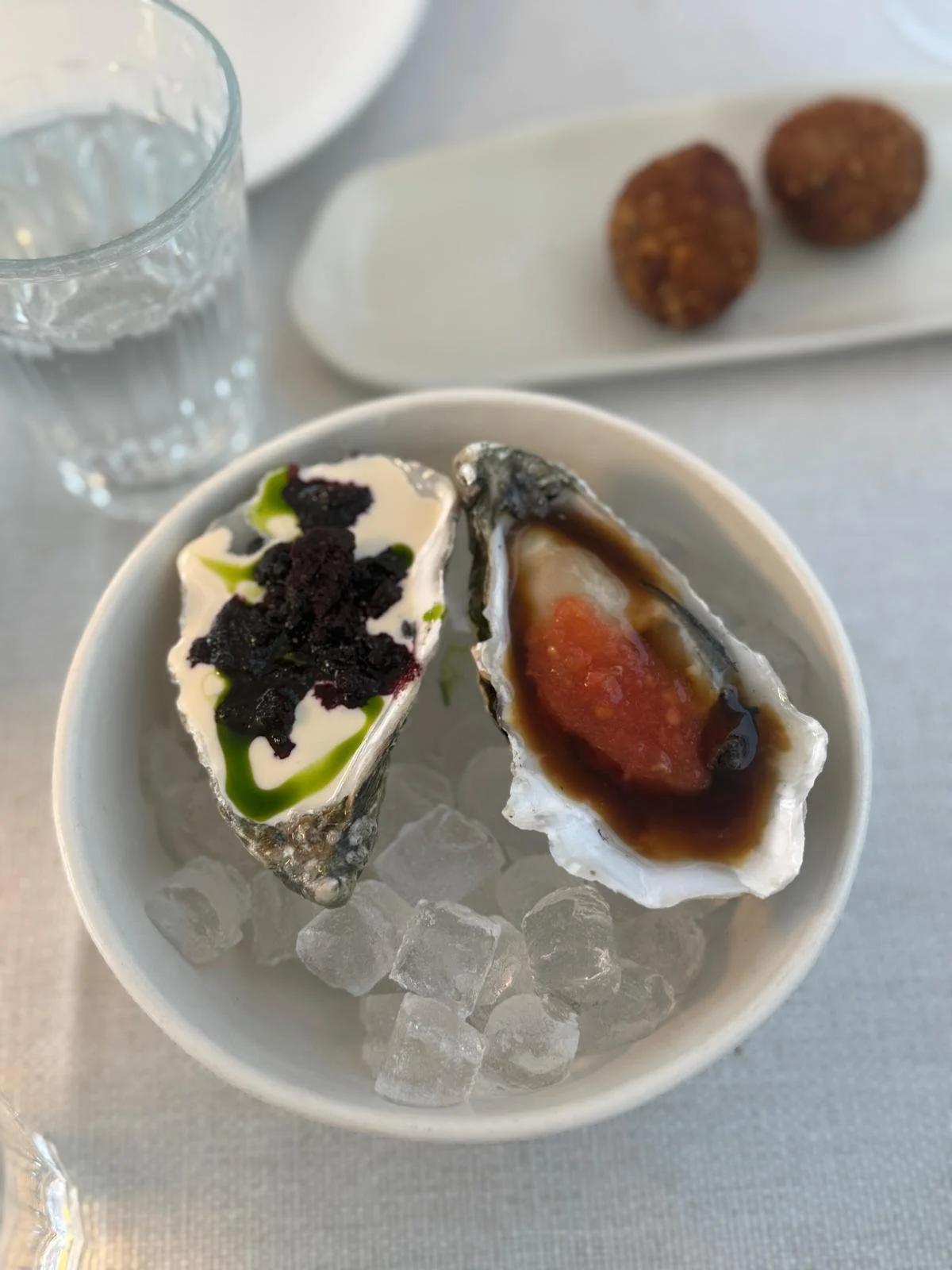
Talla – Talla holds one of Cadaqués's best terraces, right at the water's edge on the west side of the harbour, looking back across the bay to the whitewashed town and the silhouette of the church. The exceptionally creative kitchen led by Vito leans towards fresh, shareable Mediterranean plates with a modern touch - standouts for us are the prawn waldorf, black ink croquetas, tomato tartar with cod and roe & oysters with ponzu dressing. Their wine selection is also vast, mostly ( but not all ) natural and local.
Restaurant del Cap de Creus - This is the restaurant right by the Cap de Creus lighthouse itself, at the very tip of the cape - the easternmost point of the Iberian Peninsula. It's as much about the setting as the food: dramatic end of the world cliff-top views over the natural park, and a dining room that feels like a pilgrim’s haven. There is a menu of Catalan dishes, fresh local fish, and, curiously, a few Indian specialities thanks to British owner Chris. It can be hard to find good curry in Spain. Worth combining with a walk down to the coves below.
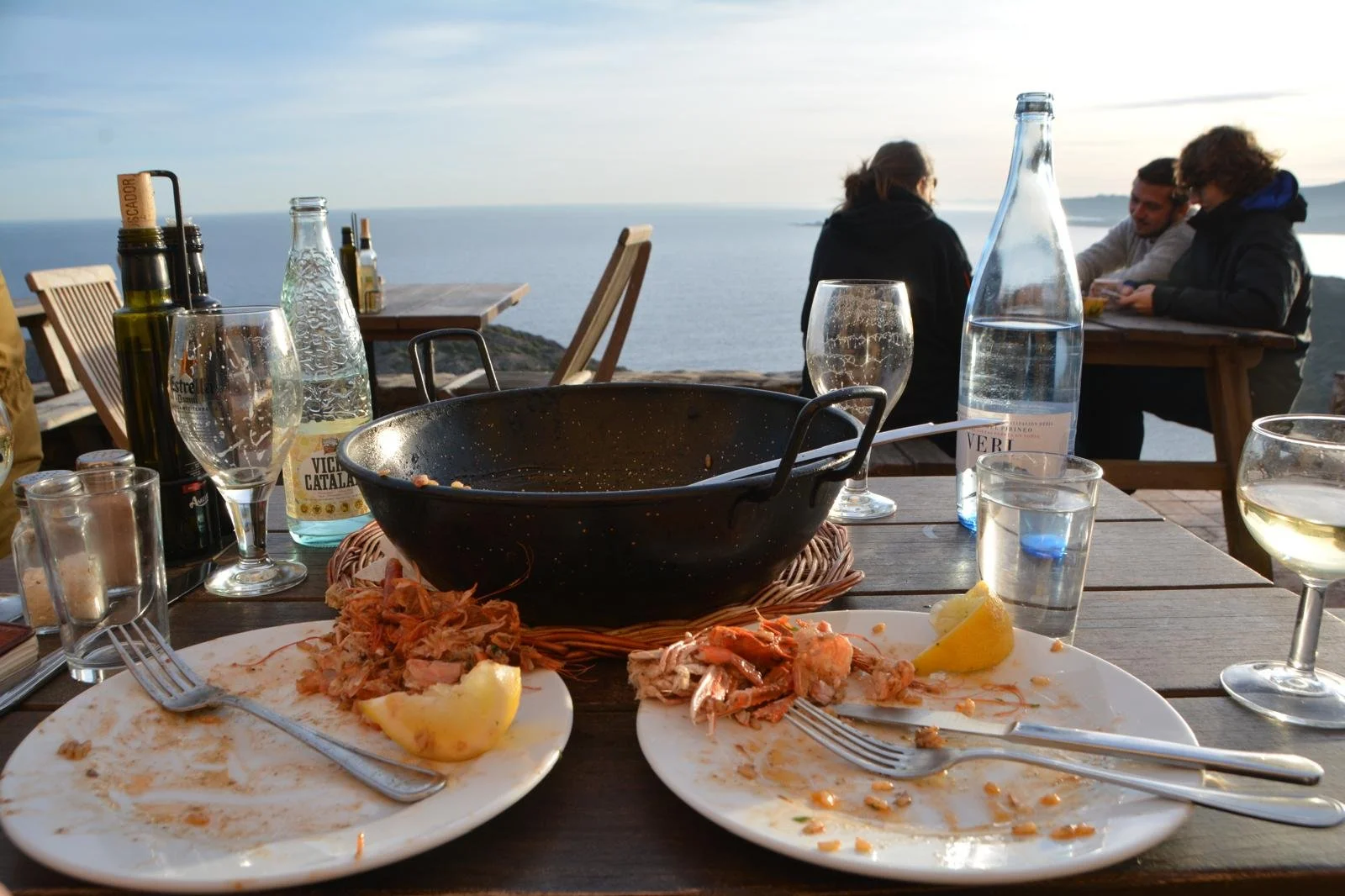
Batalla - The "little sister" restaurant to Talla, just steps away on the same seafront promenade. Batalla is a taverna marinera focused on fish and seafood for sharing, with standouts like grilled marrowbone with prawn tartare, prawn croquettes and cod fritters. It's more casual than Talla but shares the same prime waterfront terrace.
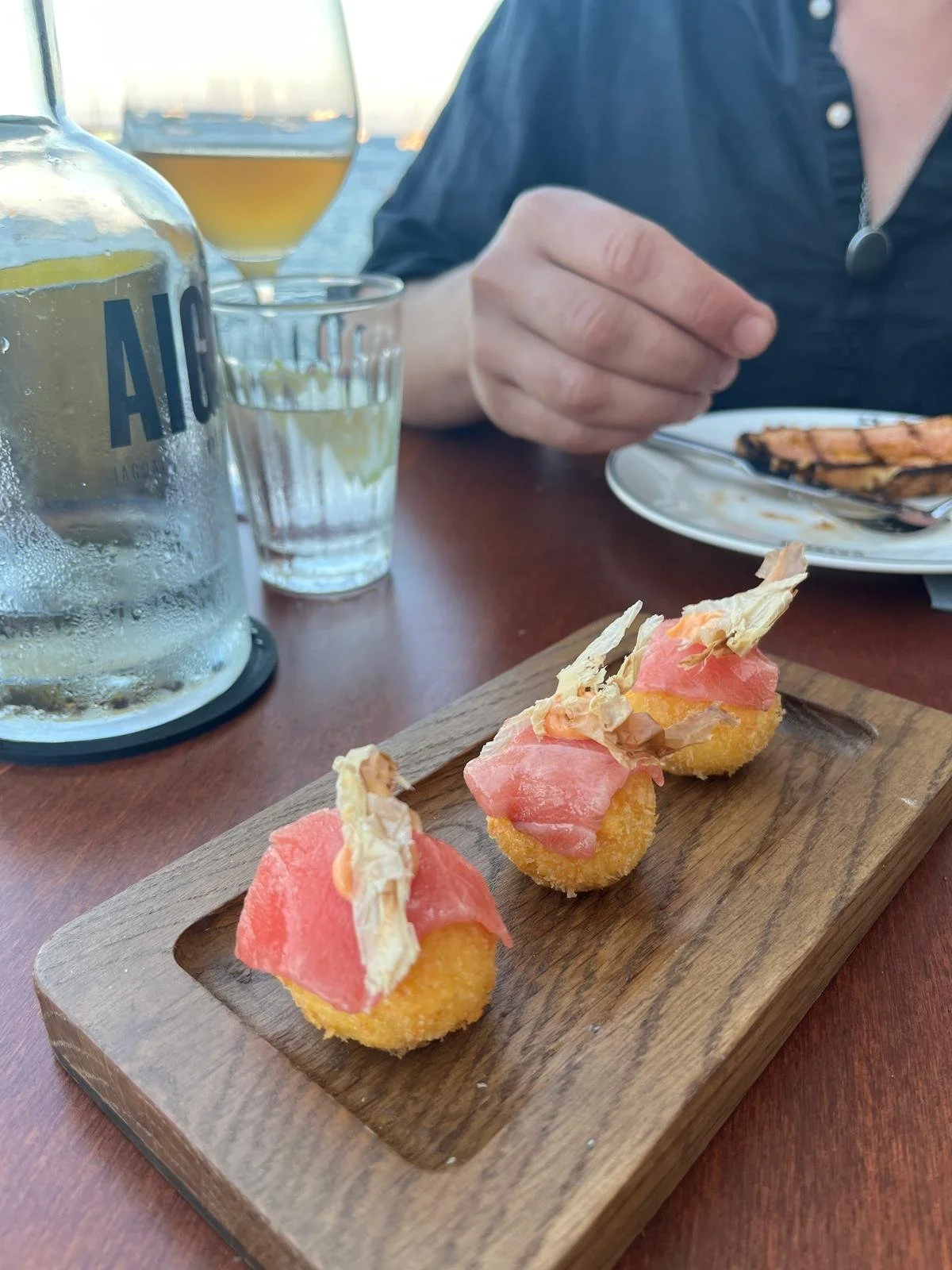
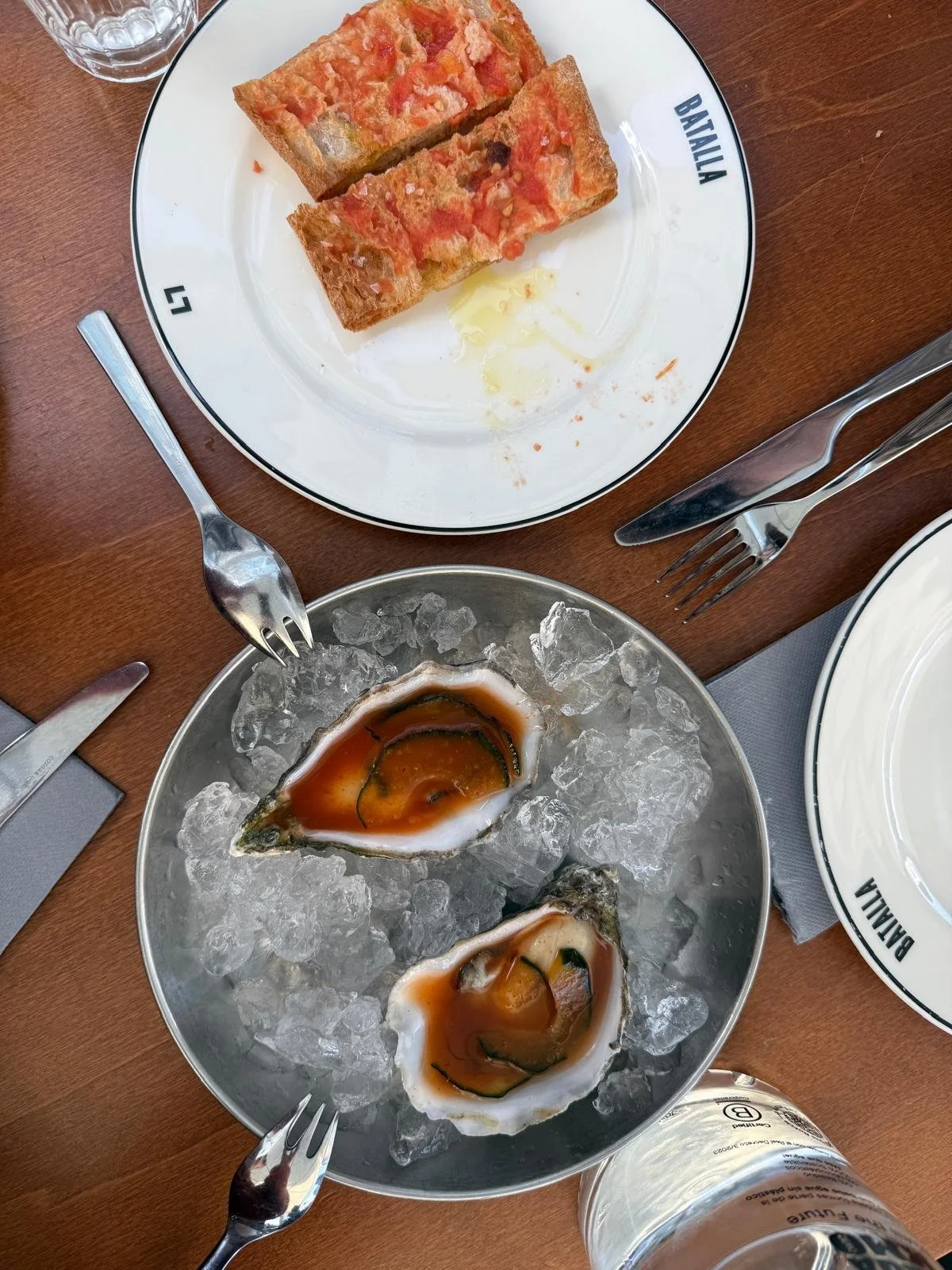
Oli Bar - The third venue in the same family as Talla and Batalla but with the addition of incredibly talented head chef Monty tucked just off the seafront on Carrer d'en Guillem de Bruguera in the site of one of the town’s old communal olive presses. Monty worked with Jose Pizarro for many years and his food is off the scale delicious, interesting and unique as long as you are brave and adventurous.
Es Baluard - A family-run restaurant built into part of Cadaqués's old town wall, right on the seafront. It's a classic Catalan seafood spot, and the quality of the sourcing is impeccable. Not cheap, but worth every penny.
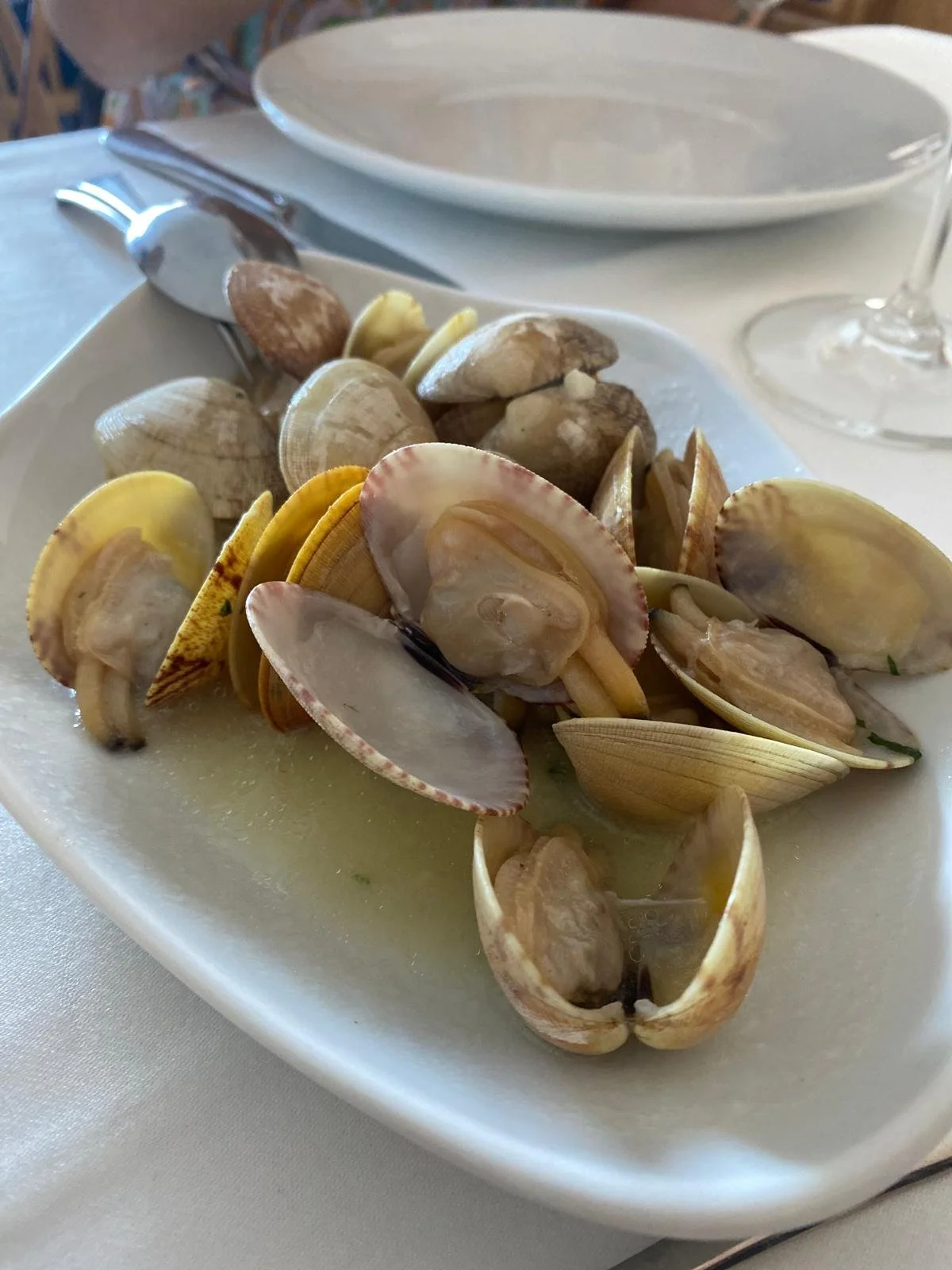
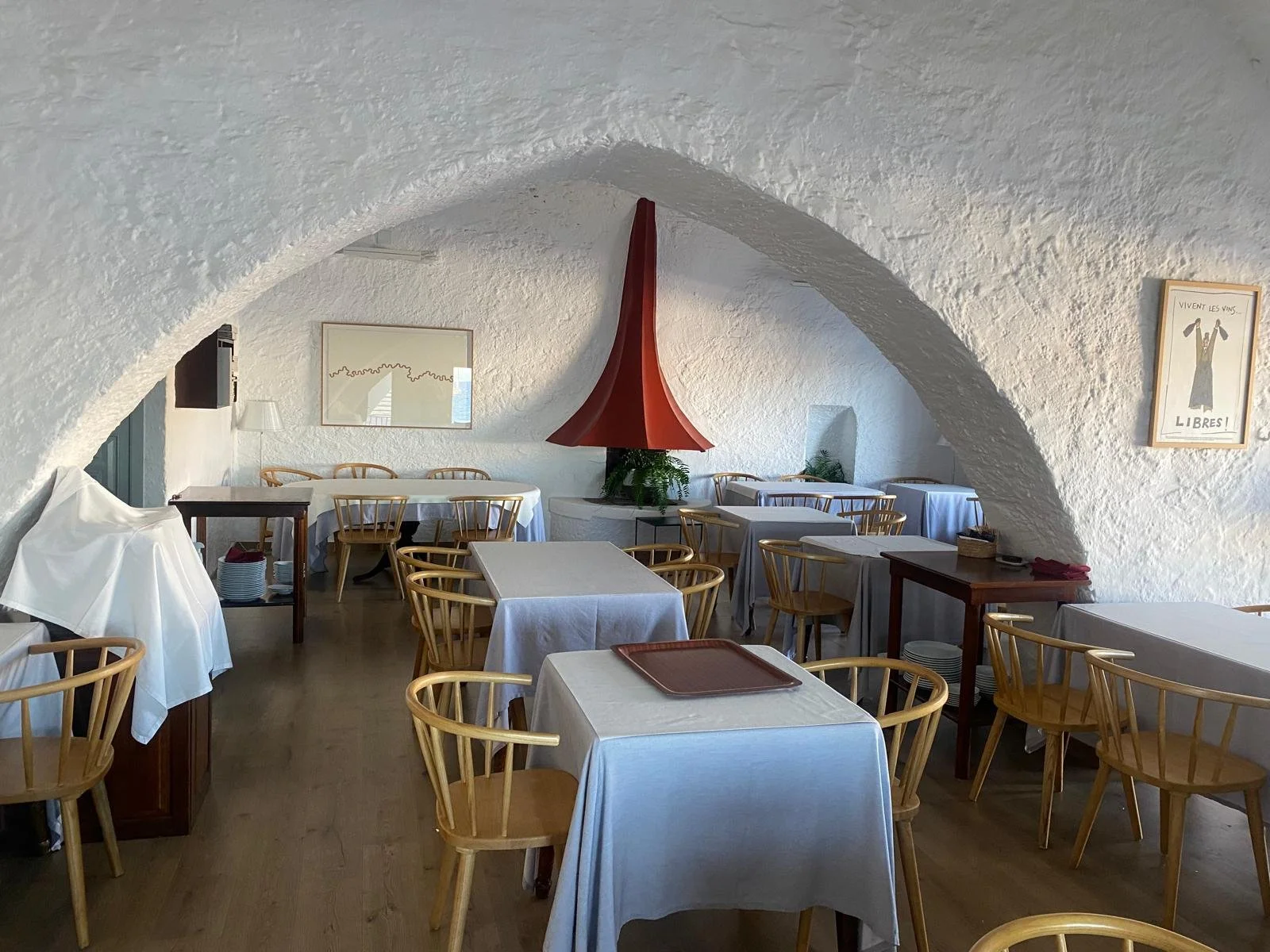
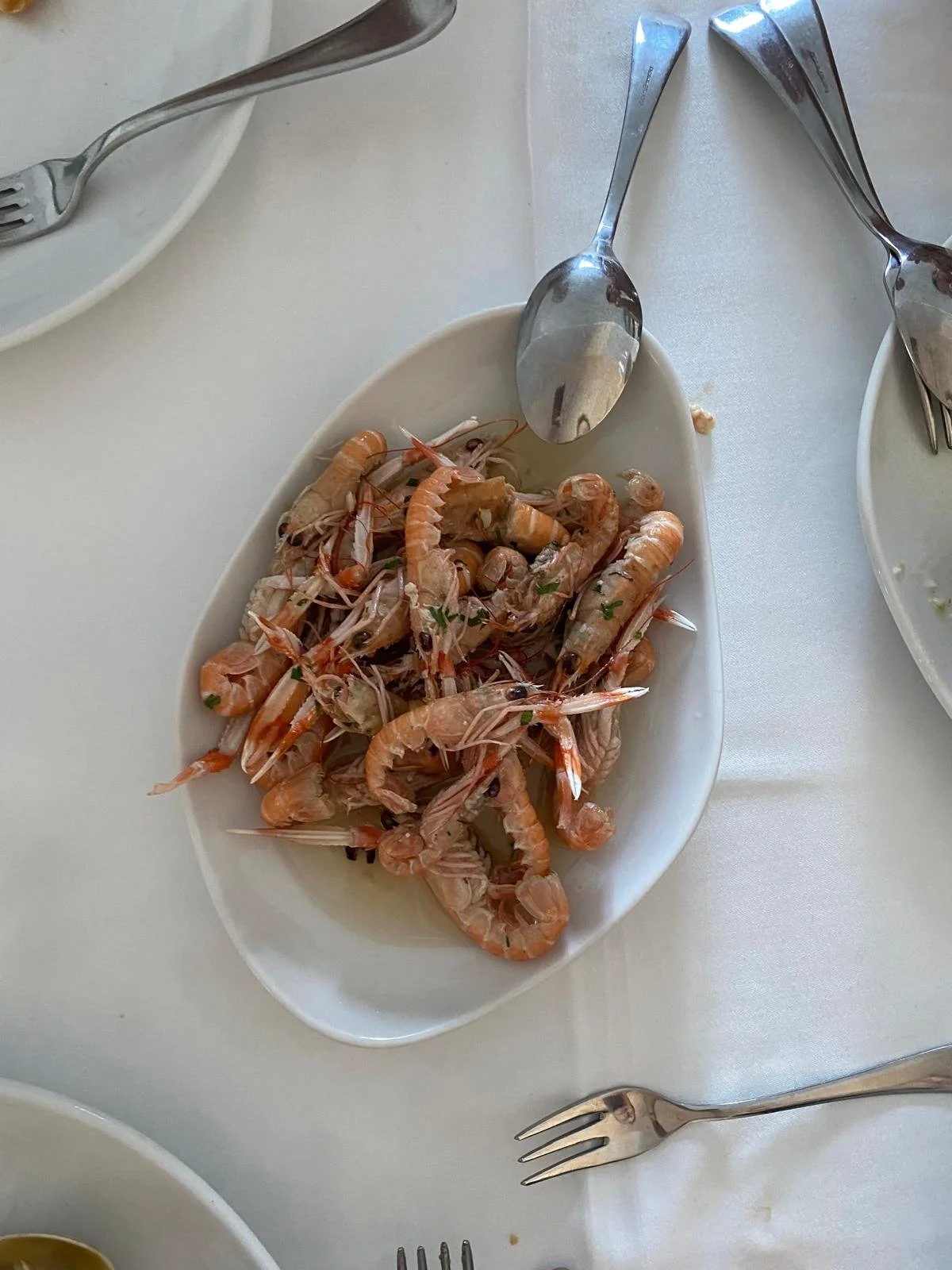
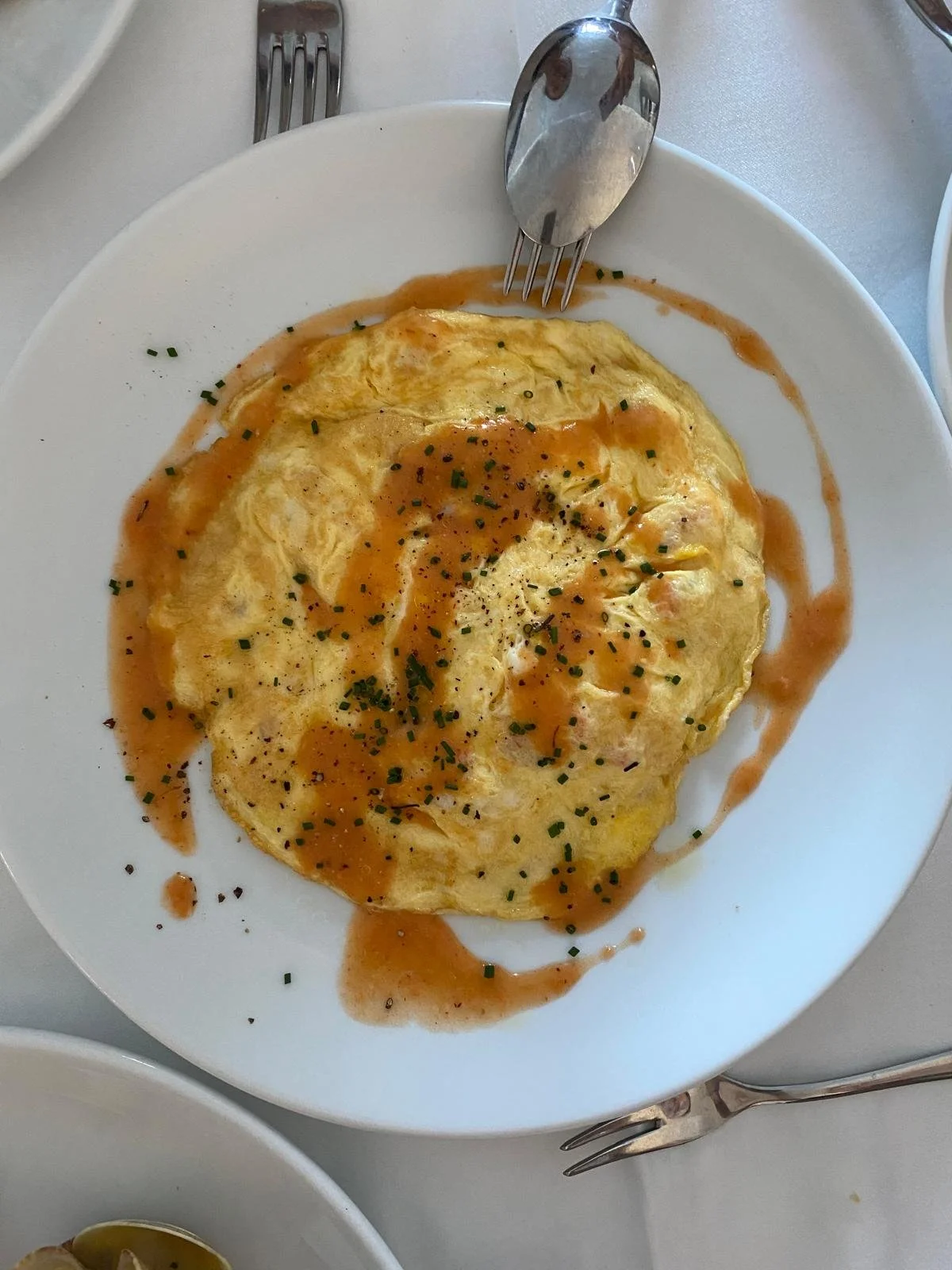
Compartir - One of Cadaqués's most celebrated tables, founded by three chefs who trained together at El Bulli. They also co-own Disfrutar in Barcelona, which won the world’s best restaurant award in 2024. Despite that pedigree, the style here is deliberately more relaxed rather than formal fine dining. Compartir means “to share” and the menu is built around creative Mediterranean sharing plates and a well-regarded tasting menu, best booked well ahead.
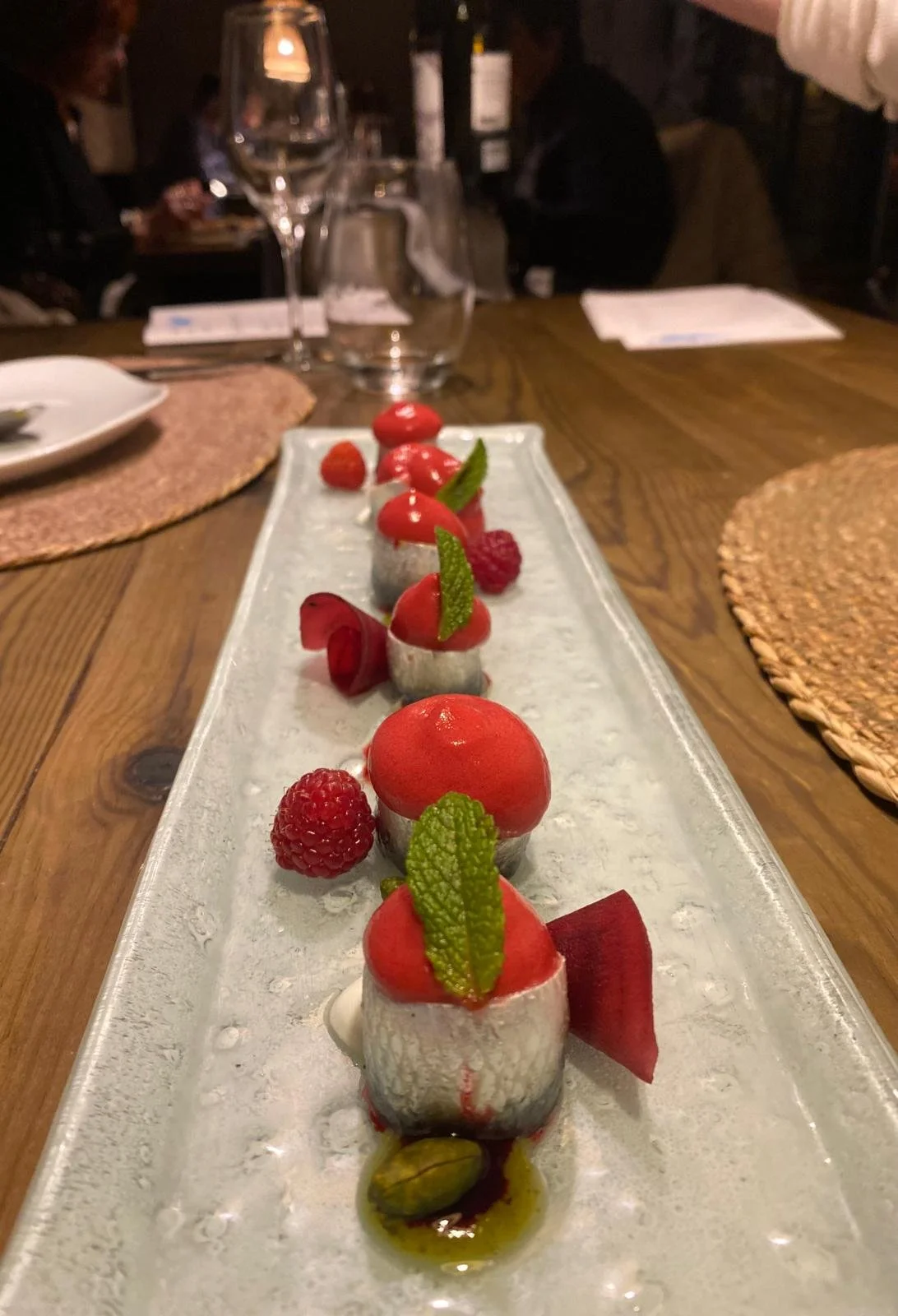
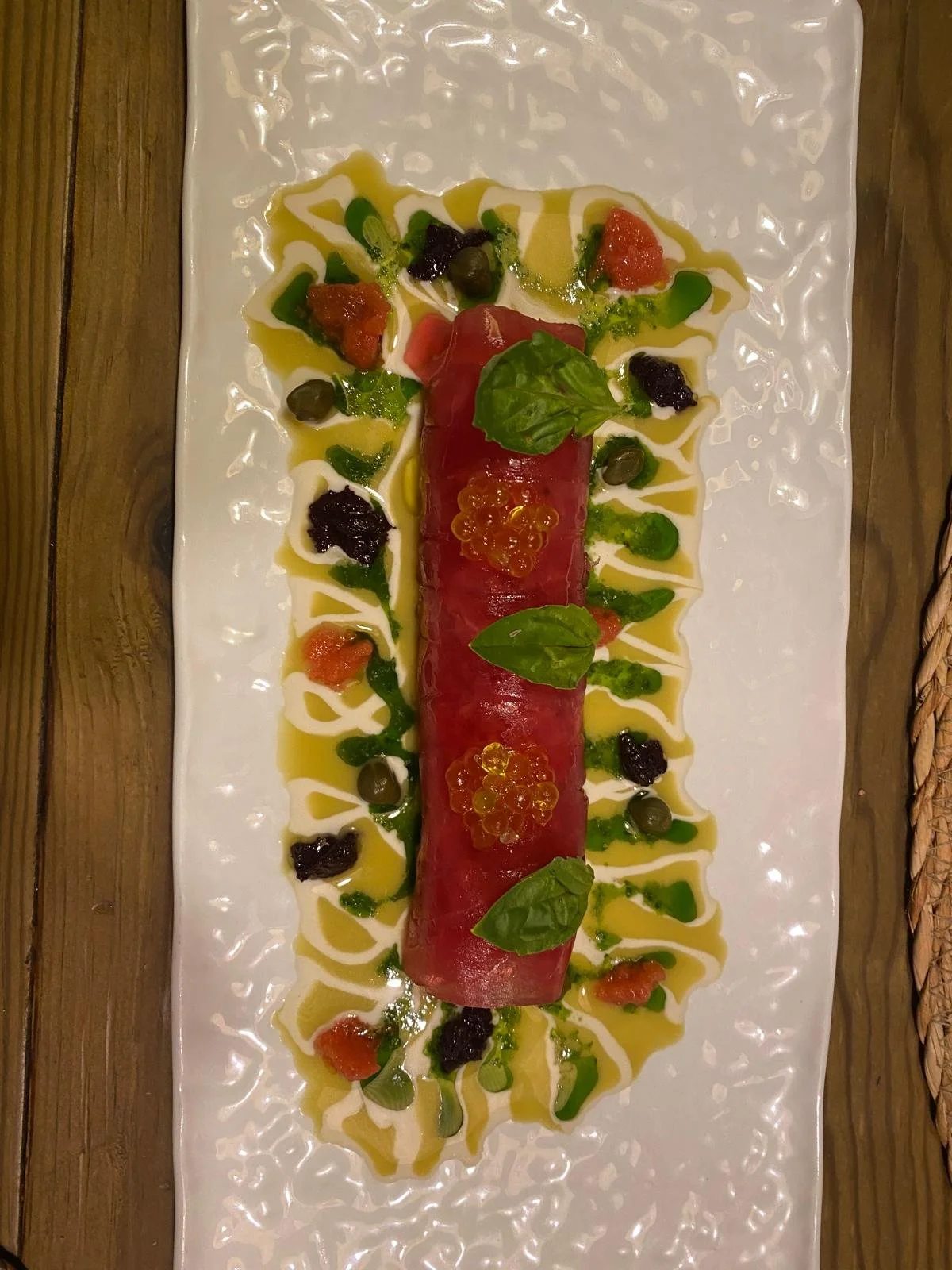
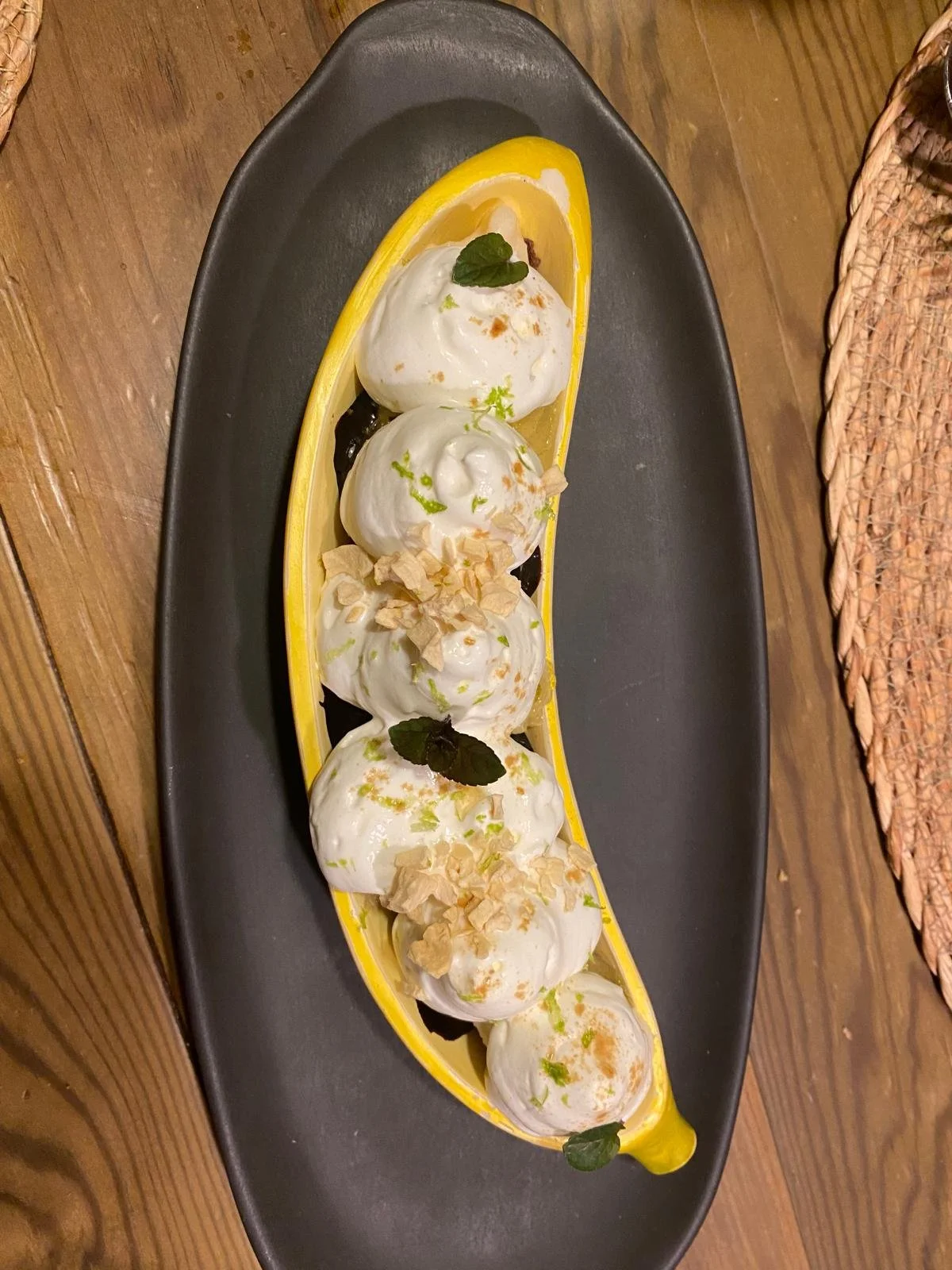
Celeste - A popular Italian spot in town, known for genuinely good pasta and thoughtful vegetarian options. This is a reliable choice when you want a break from Catalan/Mediterranean menus and is also exceptionally good value for money. We love the Penne with the Saint Germain sauce - creamy courgettes with prawns interestingly cooked with Saint Germain, an elderflower liquor.
Raviyu - A buzzing family friendly pizza spot. Great flavoursome dough, delicious tomato sauce and interesting toppings. They make the best pizza in town.
Beirut - Cadaqués's Lebanese/Mediterranean option, serving shawarma, curry, hummus, mezze and taboulé in a casual, garden-terrace setting. It's a nice change of pace from the town's seafood-heavy scene, and has decent vegan/vegetarian choices. Owned and run by a couple since the 70s, it is now owned by another local who aims to continue its legacy.
WHERE TO DRINK
Casino - The social heart of Cadaqués. Housed in the iconic Societat l'Amistat building right on the seafront at Plaça Doctor Trèmols, this historic café-bar has been the town's meeting point for generations - locals still gather here to play cards or dominoes over an espresso or vermouth. It's unpretentious and open most of the day, with tables spilling both inside and out onto the square, so it works equally well for a morning coffee, a lazy beer in the sun, or people-watching with a nightcap. It is owned by the ayuntamiento, so prices are capped, and refreshingly reasonable given the prime, waterfront location.
Set - A central beachfront cocktail lounge built around refreshing gin cocktails and simple Mediterranean small plates. The beautifully designed interior, well placed terrace and sunset views make it one of the better spots in town for golden-hour drinks or a lively evening out, with more of a Mediterranean lounge energy than the more old-school bars nearby.
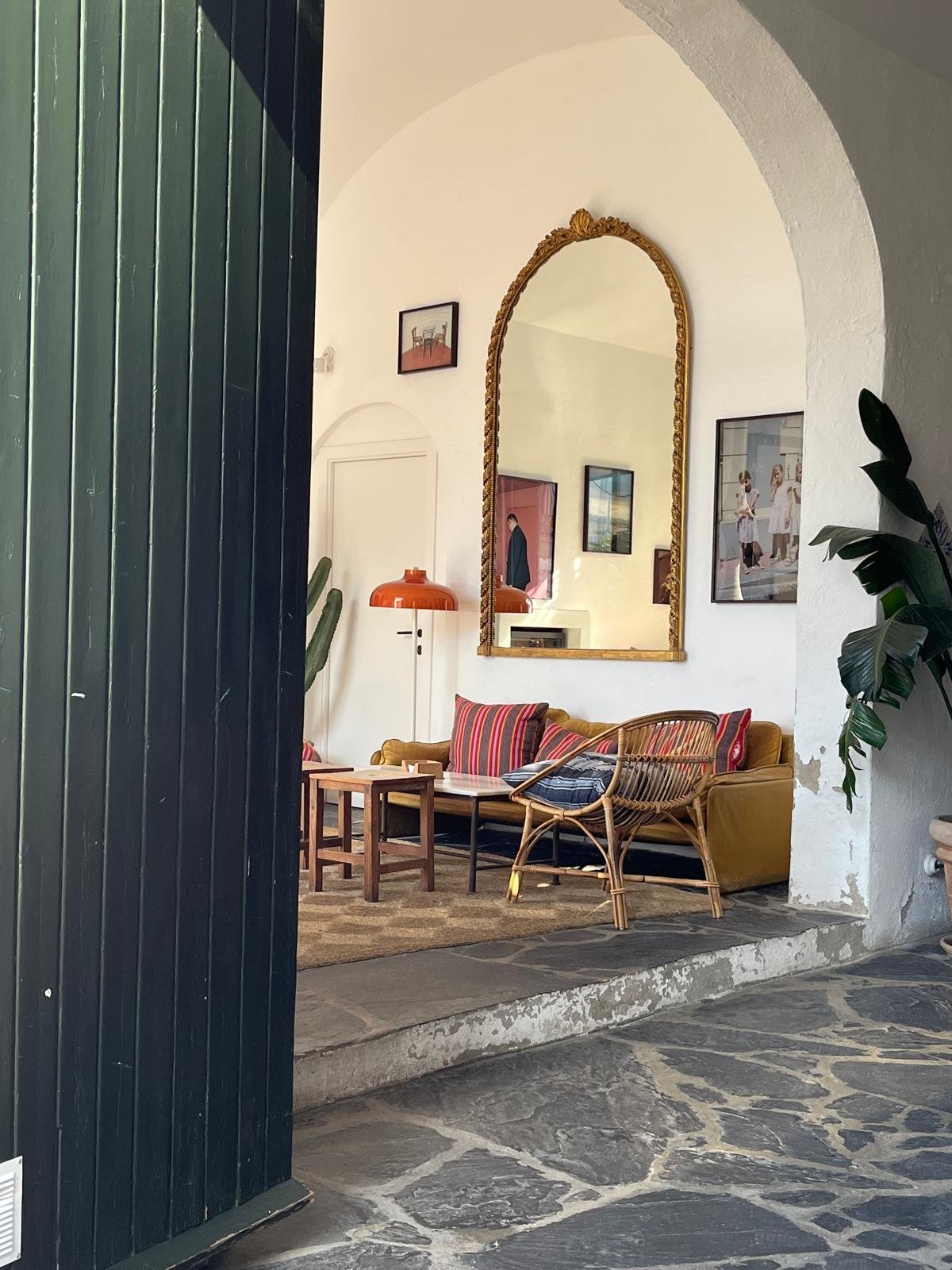
Brown Sugar - A cozy cocktail bar near the town centre with a mellow, speakeasy vibe run by the ever smiling Rudi - live music, and well-made exceptionally generous cocktails in an intimate setting. It's better suited to late-night hangs and unhurried conversation than sunset views, making a nice contrasting stop if you've already done a seafront terrace earlier in the evening.
Mut - A great spot for a vermouth, after which this spot is named, as well as for coffee, or a few small plates.
La Frontera - A lively outdoor bar with a fairy-lit patio and an indoor dance floor; known for strong, generously poured cocktails and good energy for a late night out.
Cafe La Havana - A romantic late night candle lit bar with fantastic cocktails and regular live music.
WHAT TO EAT
Taps of Cadaques - small, cylindrical sponge cakes with a soft, airy texture. Traditionally, they're soaked in a light syrup or rum and often dusted with icing sugar. Their shape resembles a champagne or cava cork, which is how they got their name "taps" meaning "caps" in Catalan.
Joia Ice Cream - Joia means both joy, and jewel, in Catalan, the local language. This is a jewel of an ice cream shop that brings joy to many. It is our favourite ice cream shop in the world. The quality of the organic ingredients and the creativity of the flavour combinations is exquisite. We love it so much that we happened to name our daughter Joie.
Empanadas from Bar Mogambo - there is a large community of South Americans and Philipinos in Cadaques, and this is one of the main hangouts. The empanadas are exceptionally good.
Millassons - another local sweet treat said to be a speciality of the family Suberbielle since 1871. It is the dough of a crepe, cooked like a flan, in the shape of a canelle, with the flavour of lemon and orange.
Meat from Serra Pla - exceptionally sourced raw and cooked meats. If you are cooking for yourself, this is where to buy your meat - the beef and the chicken are very good, as is the jamon, naturally.
Bread from Forn Sanes - the best bread in town, get there early before it sells out.
THINGS TO DO
The Dalí House - Salvador Dalí's home for over 40 years, a maze of interconnected fishermen's cottages he bought and expanded over decades with his wife, muse and manager Gala, right on the water in the quiet cove of Port Lligat, a short walk or drive from Cadaqués itself. Inside it's classic Dalí surrealism: bears wearing armour, an olive garden with a penis shaped Michelin Man-topped pool, and a mirror at the side of his bed angled so he could be the first man in Spain to watch the sunrise. The stories of the parties that have happened here are interesting. Booking ahead online is essential, as visitor numbers are strictly limited and it sells out, especially in summer.
He supposedly once said ““Cadaqués is the most beautiful village in the world. It is where everything began, everything was possible, and where everything became real.”
Mar Acústic - A genuinely unique evening out: acoustic concerts performed aboard a classic wooden boat out on the Mediterranean, often anchored near dramatic spots like the Cova de l'Infern in the Cap de Creus natural park. The setting of musicians, the water, and the cliffs of the cape at dusk — makes for one of the more memorable, low-key cultural experiences in the area, distinct from a standard restaurant or bar night.
Sant Isidre - A beautifully restored 1925 wooden fishing boat with a colourful past: it's served fishermen, smugglers, the Spanish Navy, and even Greenpeace before being restored for tourism in 1995. It runs relaxed two-hour trips along the coast toward Cap de Creus, past Port Lligat and the Dalí house, usually with a swim stop in a quiet cove. No frills, no guide, just a slow, scenic way to see the coastline from the water.
Hire a Mallorquina - A "Mallorquina" is a small, traditional wooden motorboat, and several operators in Cadaqués (Marinet Cadaqués is one) rent them out, with or without a license required, depending on the boat. It's a nice way to explore the bay and the edges of the Cap de Creus natural park at your own pace, stopping at coves that aren't reachable on foot, rather than being tied to a set excursion route or timetable.
Walk to Cap de Creus on the Camí de Ronda - This coastal path follows the old fishermen's and smugglers' route north from Cadaqués out to the lighthouse at the tip of the cape. It's a proper hike, rocky, exposed, and shadeless in places, but it delivers constantly changing views over dramatic, wind-sculpted rock formations and hidden coves along the way, arriving at one of the most striking landscapes on the Costa Brava.
Walk the Dalí sculptures in the Cap de Creus park - The natural park's surreal rock formations were a direct inspiration for Dalí's paintings, and there are trails through the park that let you spot the specific outcrops that appear, transformed, in his work, alongside occasional sculptural or artistic markers tied to his legacy. It's as much about seeing the raw geological shapes that fed his imagination as any formal sculpture trail.
Cim de la Creu Walk - A steeper hike up into the hills to the north of the village, rewarded with stunning 270 degree sweeping views of the Mediterranean that look back over Cadaqués's white rooftops, out to Cap de Creus point and over Llanca, towards France. Stunning in the springtime with the flowers that come after the rains. Also good for very early morning or late afternoon light, and worth bringing water since there's little shade on the way up.
Perafita wine tasting - Set at Mas Perafita, a 14th-century farmhouse between Cadaqués and El Port de la Selva, this is the home of the Martín Faixó family winery; organic vineyards revived here in 2000, growing Grenache, Carignan, Picapoll, and Muscat on wind-swept slate soils right at the edge of the Cap de Creus Natural Park. A typical visit walks you through the vines, the barrel room (a mix of steel tanks, French oak, and terracotta amphorae), and finishes with a seated tasting of their signature wines: the white Lluerna, rosé Cadac, aged red Perafita, and a sweet Dolç de Gerret. The setting is the real draw: vineyards tumbling toward the sea, with the Pyrenees visible on a clear day. Bookings are by appointment only, and you'll need a car to get there, and back.
Wine tasting with sommelier Laura - Laura Serrano Lopez @losvinosdelaura is a well-regarded sommelier specialising in wines from Catalunya that lives in Cadaques. We often work with her on wine tastings for our guests. Get in touch for a special experience.
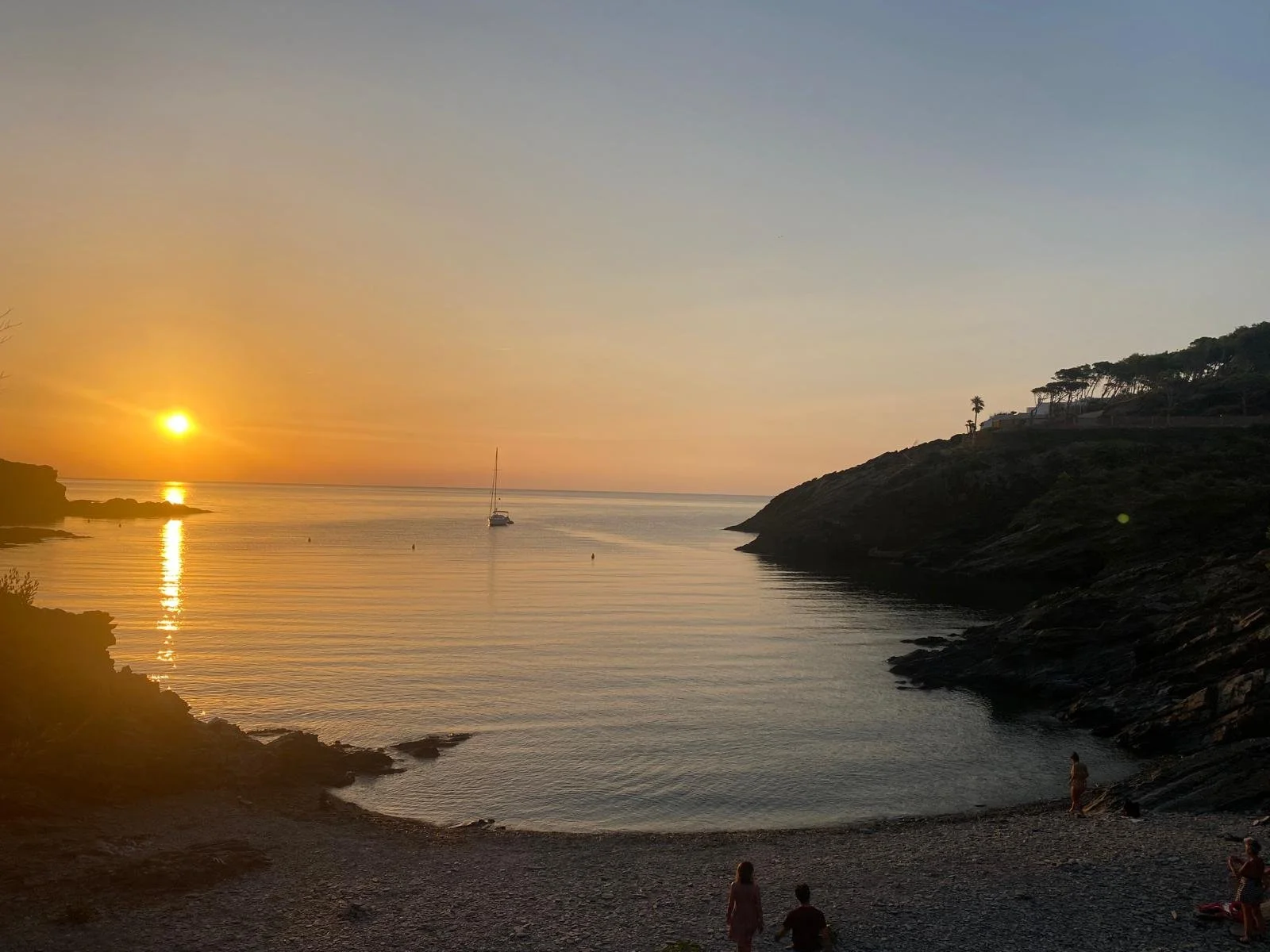
Lying on a beach and contemplating life or contemplating nothing at all in particular - There are many small beaches all around, the further away you get from town the more beautiful the water and the less people there are. Llane Petit, Pere Fet are our favourites close to town. S’Alqueria is best for sunrise.